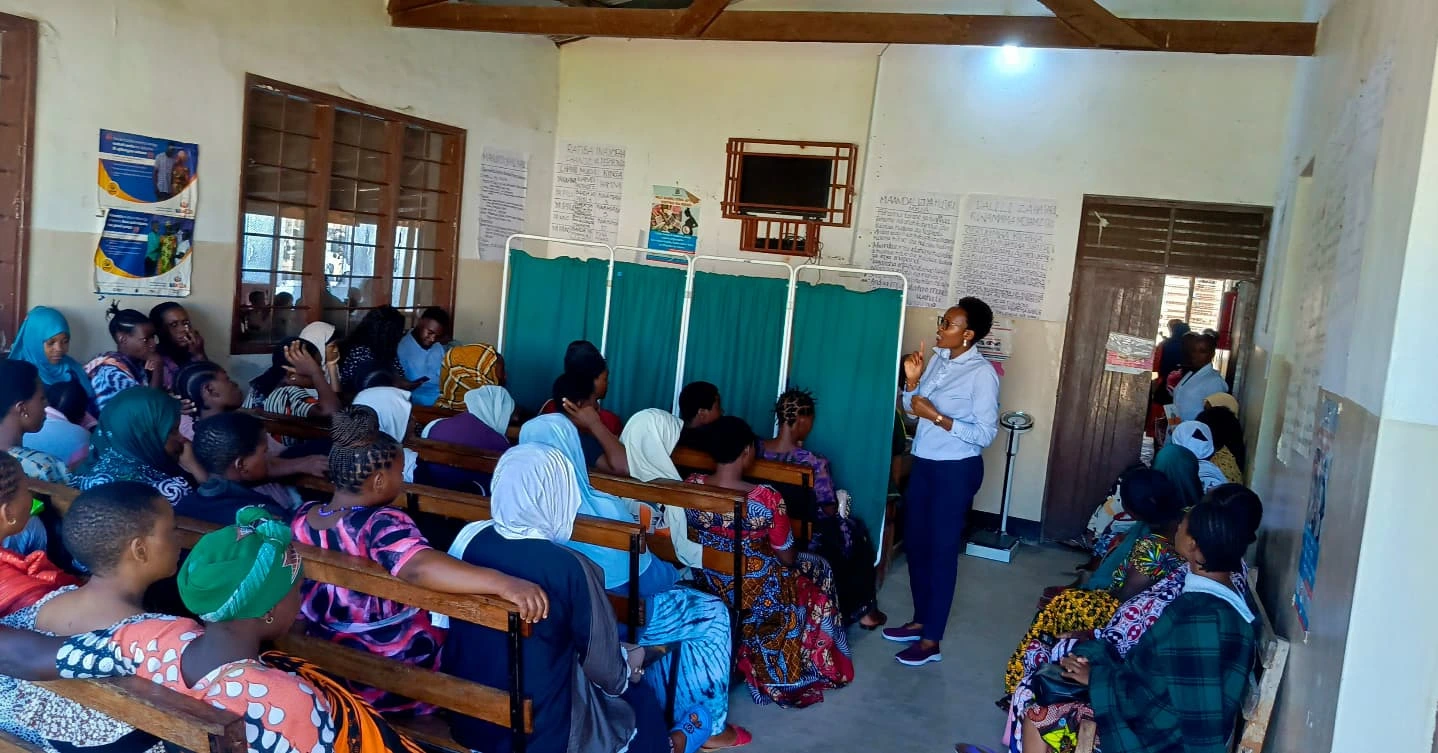
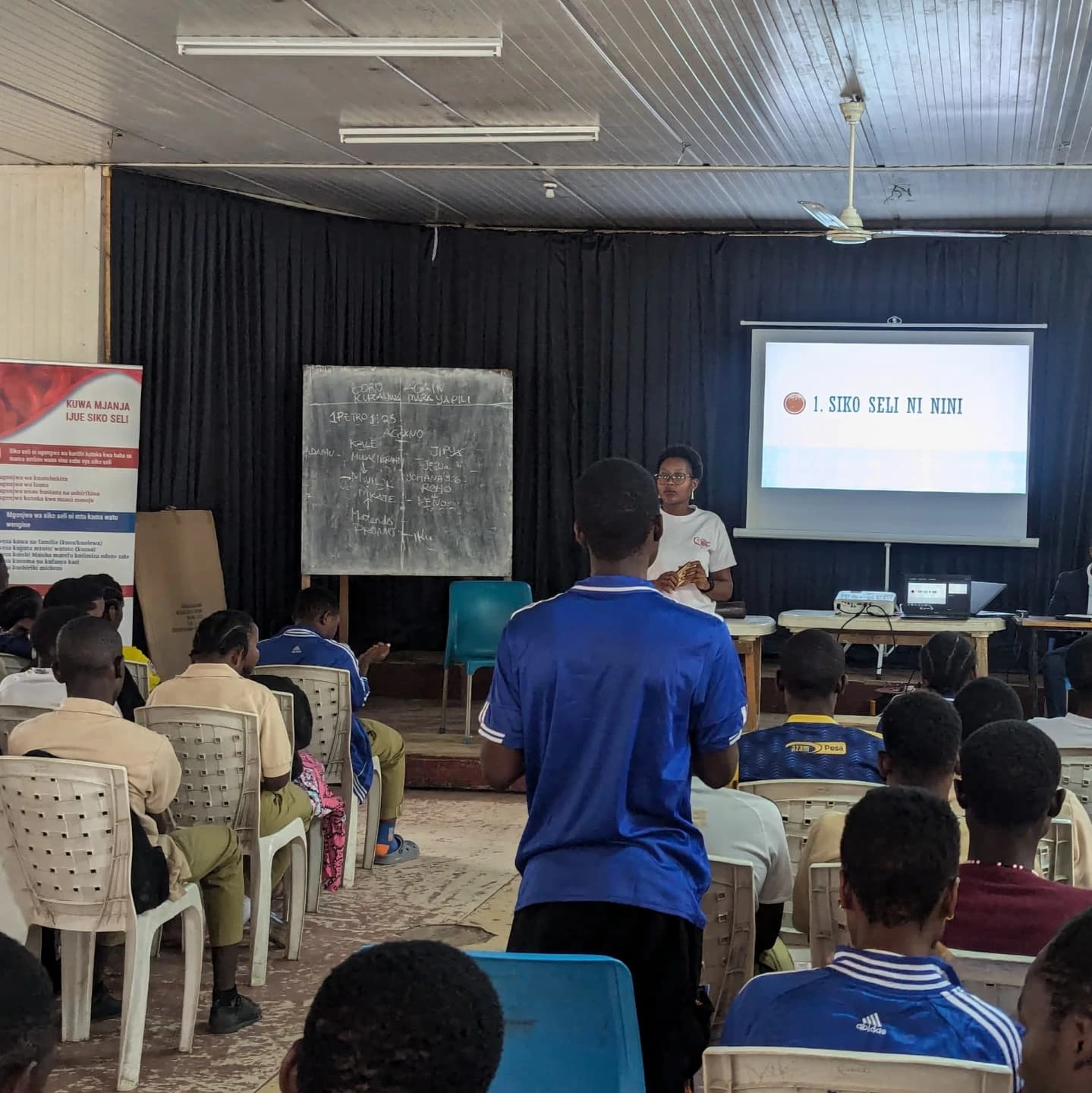
The tents went up before 7 a.m. By the time the sun cleared the hills over Ilemela, families were already lining up — mothers carrying infants, fathers holding school reports, young couples who had heard on the radio that they could learn their genotype for free.
Our team, working alongside health workers from a partner medical centre, set up three stations: registration, testing, and counselling. The counselling station is where the real work happens. A test result is just a letter combination — AA, AS, SS — until someone sits down and explains what it means for a family, for a marriage, for a child who has been in and out of hospital without anyone naming the cause.
Why counselling matters
Many parents arrive believing myths: that sickle cell is a curse, that it is contagious, or that children with the disease cannot go to school. Each conversation is a chance to replace fear with facts.
“Education is the best solution in the fight against sickle cell disease.”
Every family that tested left with a referral pathway, a contact for our peer support group, and an invitation to our next community dialogue.